Compound Semiconductors and Power Delivery
Research groups such as Maryland Power Electronics Lab have years of R&D experience in the modeling, simulation, design, and development of power electronics solutions. The team is highly experienced in a wide range of power electronic systems. This proficiency in power electronics at UMD is in a position to be a valuable resource for delivering impactful solutions to real-world challenges. Each member of the team is skilled and practiced in completing projects from modeling to implementation and validation. We are interested in a wide array of applications: from data centers to micro-bots and from energy harvesters to solar converters.
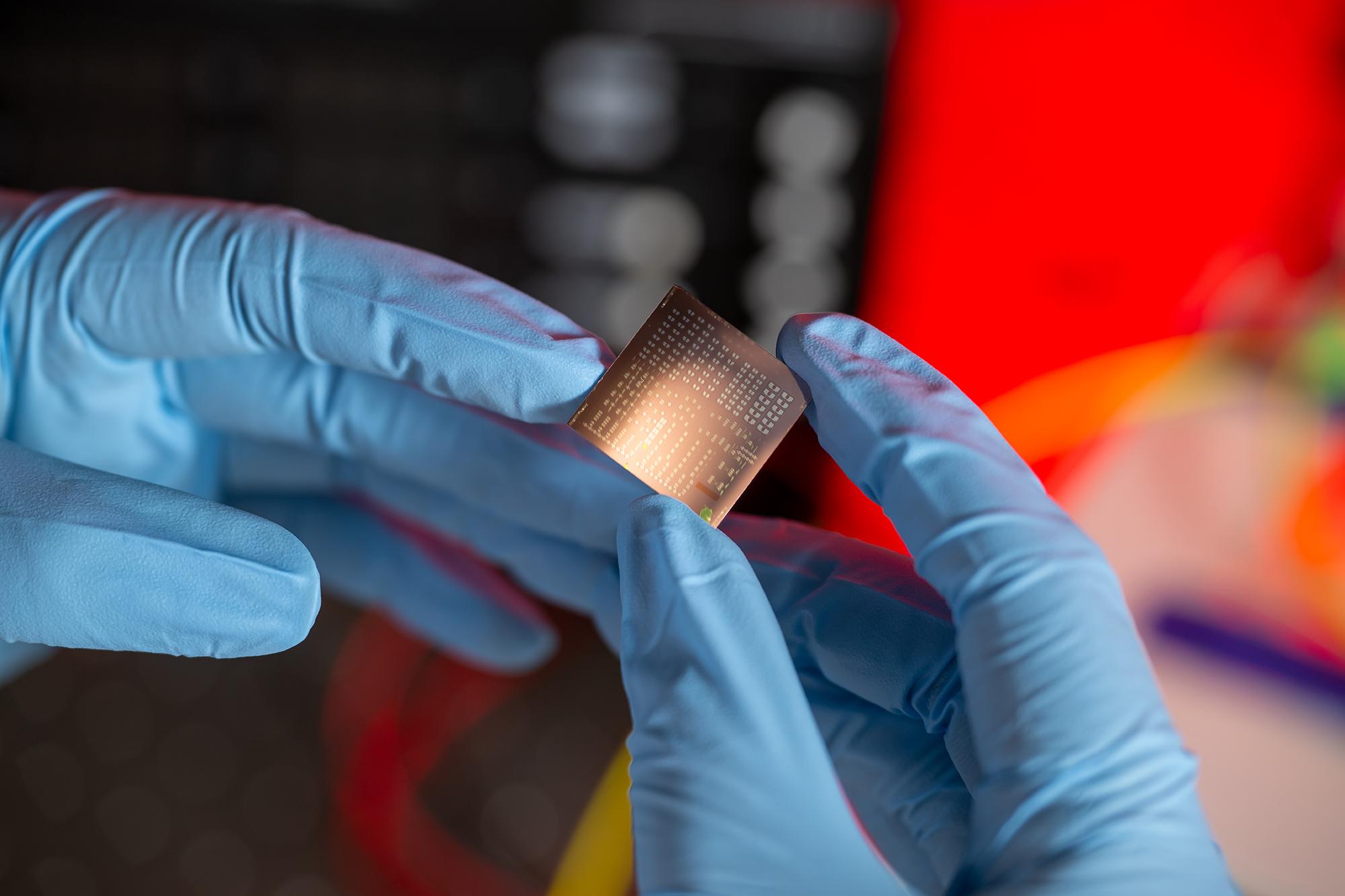
Compound semiconductors (e.g. GaAs, GaN, AlGaAs, InP) are materials formed from two or more elements (often from groups III and V of the periodic table). They often enable higher electron mobility, wider bandgaps, and superior optoelectronic properties compared to elemental semiconductors like silicon.
At UMD, research in compound semiconductors focuses on:
- Reliability and physics of failure: understanding how defects, stress, and degradation affect long-term performance of heterojunction, epitaxial, and microelectronic devices.
- Materials development and epitaxial growth: producing high-quality, low-defect compound semiconductor layers and heterostructures for devices.
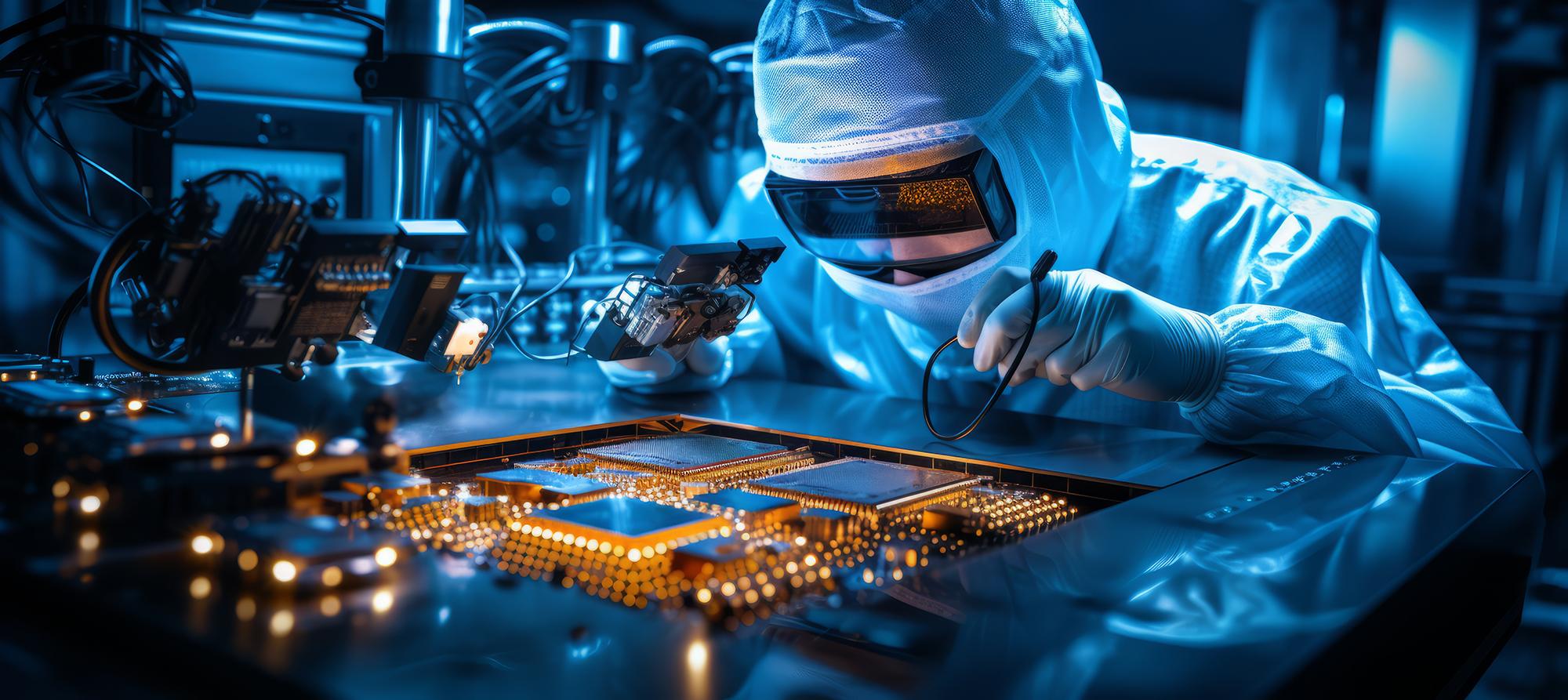
- Integration with photonics and electronics: hybridizing compound materials with electronic circuits, exploring novel devices using phase-change or multifunctional materials for memory, sensing, and photonic coupling.
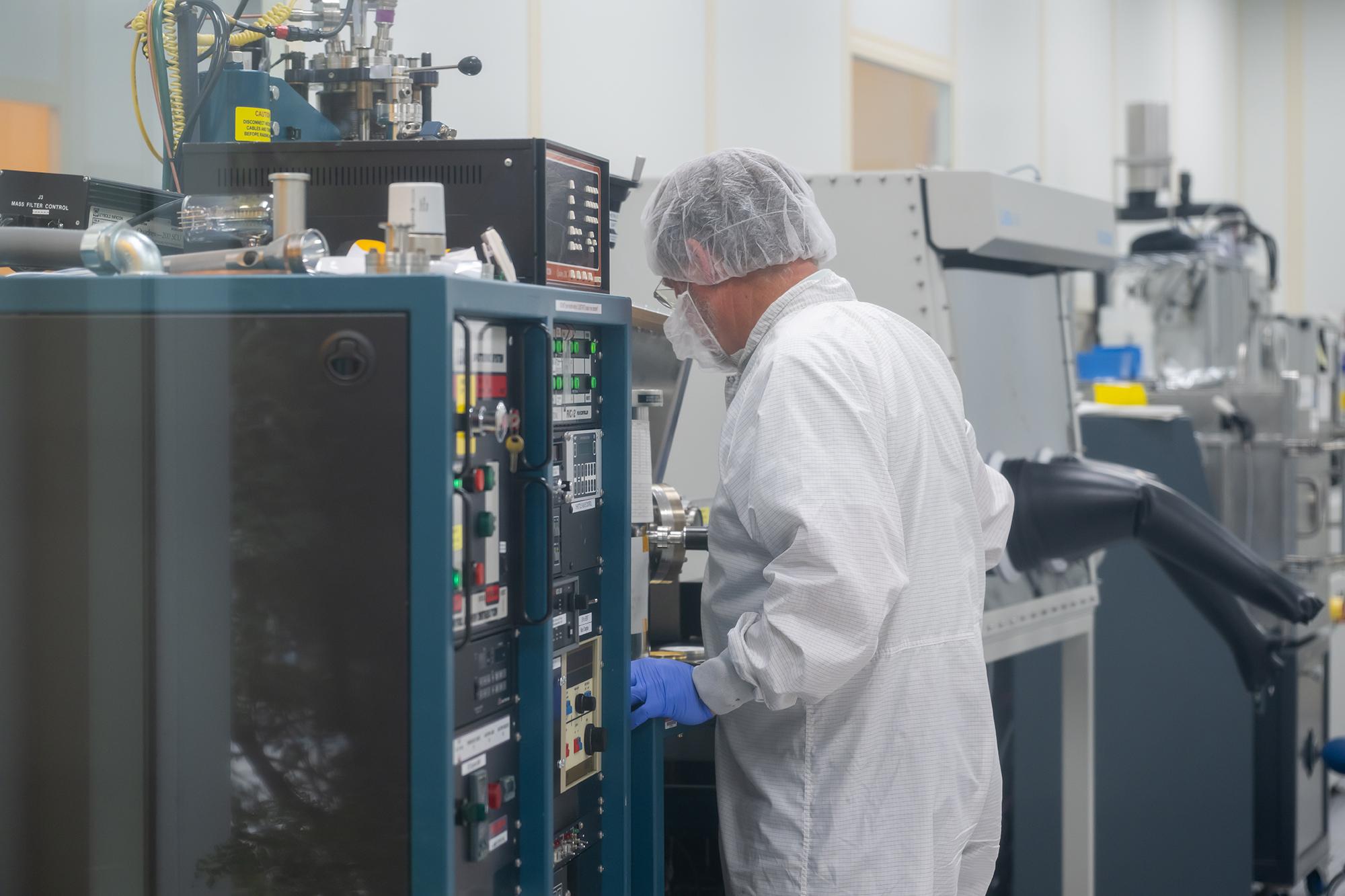
- Support via UMD’s cleanroom and nanofabrication infrastructure (e.g. the Maryland NanoCenter, FabLab), which allows faculty, students, and collaborators to fabricate and test semiconductor devices.
UMD is also deeply engaged in national semiconductor initiatives (e.g. under the CHIPS & Science Act) to expand domestic semiconductor capability, including next-generation materials, packaging, and workforce development.
At the University of Maryland, Circuits (Semiconductors) research integrates advanced circuit design with cutting-edge semiconductor technologies to create efficient, reliable, and high-performance electronic systems. Faculty and students develop analog, digital, mixed-signal, RF, and neuromorphic circuits for applications in communications, sensing, computing, and power management. The work spans from device-level modeling and fabrication to system-level architecture and integration, leveraging wide-bandgap materials, 3D packaging, and emerging transistor technologies. Through facilities like the Maryland NanoCenter and collaborations across electrical engineering, materials science, and computer engineering, UMD researchers advance the performance, energy efficiency, and scalability of next-generation integrated circuits.
At UMD, the Systems and Applications track in semiconductor research bridges foundational device and materials work with practical system-level engineering to deliver real-world applications. Key elements include:
- Secure Edge / AI Hardware: UMD participates in major projects (e.g. via the Midwest Microelectronics Consortium / Microelectronics Commons) developing microelectronics for secure edge computing, 5G/6G, and AI-accelerated architectures, especially aimed at reliable, low-power, high-throughput performance.
- Design Automation & Security: The university is active in design methodologies that embed security in integrated circuits, including automated workflows that defend against side-channel attacks, hardware trojans, reverse engineering, and supply chain vulnerabilities.
- Novel & Sustainable Materials for Applications: UMD researchers are working on new phase-change materials and other compound / wide-bandgap semiconductors optimized for computing and photonics applications, with goals of improving energy efficiency, durability, and reducing environmental impact.
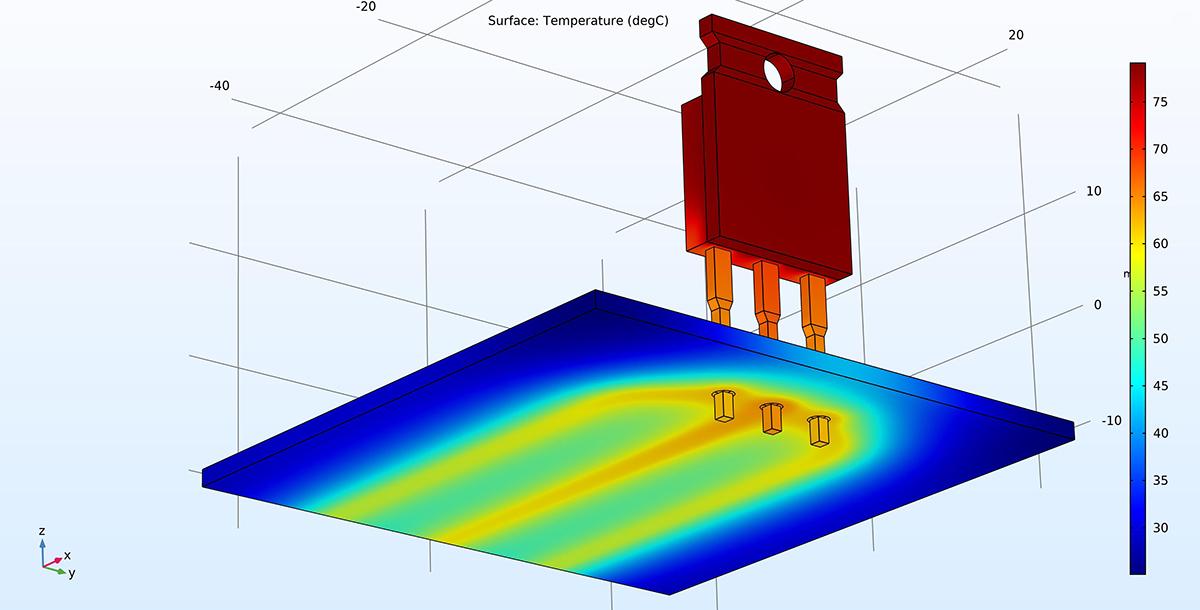
- Thermal Management and Heterogeneous Integration: In advanced system stacks (e.g. 3D chip stacking or heterogeneous integration), UMD is developing technologies for cooling and heat flow—such as embedded microchannels and innovative thermal design—to maintain reliability and performance of dense semiconductor systems.
- Workforce Development & Education: Parallel to the technical research, UMD is supporting education and outreach so that the next generation can design, build, and deploy semiconductor-based systems, including underrepresented communities, through training, curricula, and collaborative projects.