

Materials Science Research for Semiconductors
UMD faculty and scientists are making tremendous advances in new materials and devices, not only through fundamental advances in material innovation but also new processes and tooling for manufacturing. This is unlocking new applications which were unheard of a few years ago.
Researchers at UMD study novel materials to determine their physical and electronic properties. Failure mechanisms in semiconductors and electronics are modeled to increase technology the resilience of future technologies. Biomaterials hold great promise in medical use, while alternative semiconductor materials such as graphene will allow advances in optoelectronics and power electronics.
Optoelectronics and photonic integrated circuits promise to revolutionize computing and communications with low power needs and incredible speed, paving the way for a more efficient and sustainable future. Novel electronic devices are growing rapidly in power capacity and power density, allowing existing power electronics to be replaced with smaller devices which are also more reliable. Quantum computing is enabled by novel nanoscale devices, while micro and nano devices made with biomaterials are giving doctors detailed insights to patient health.
Incresasingly precise manufacturing processes allow for higher device density and incredibly precise manufacturing at the nanoscale. Many exotic materials can now be integrated into silicon devices, expanding the options available to device designers and allowing researchers to develop solutions that achieve properties impossible with pure silicon devices.
Nanodevices made from cutting-edge biomaterials are driving rapid advances in medicine. Microelectromechanical systems (MEMS) are used in extremely precise sensors for critical safety and medical applications. Research in energy storage and power electronics is critical for automotive and EV applications.
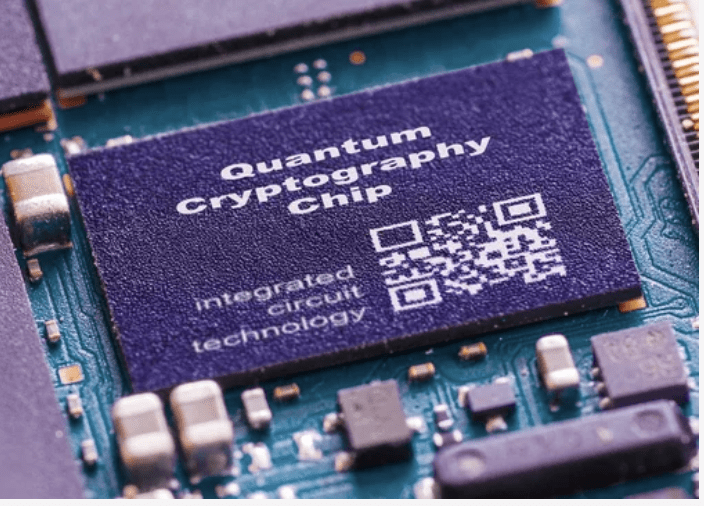
Phase Change Materials
Semiconductor heterostructures for Optoelectronics

AI and Data Analytics in Semiconductor Processing
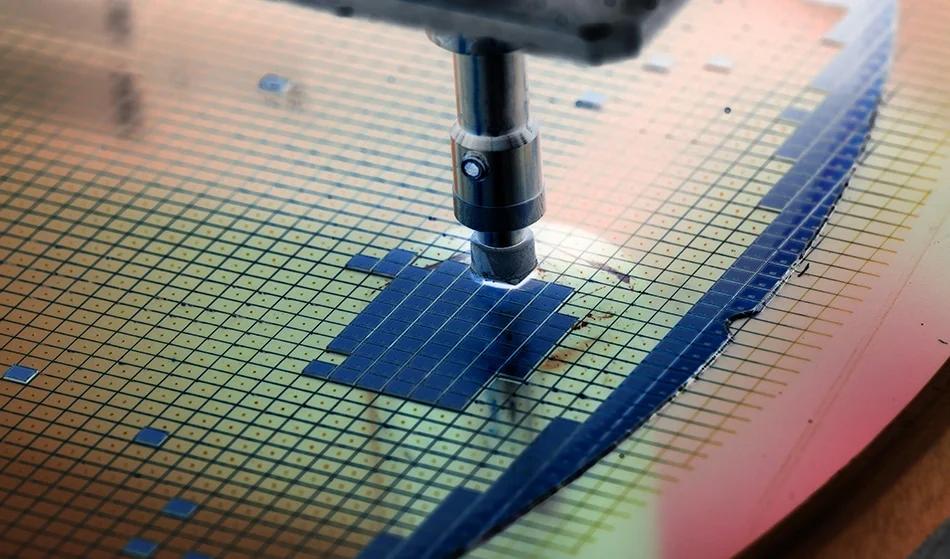
Sensors
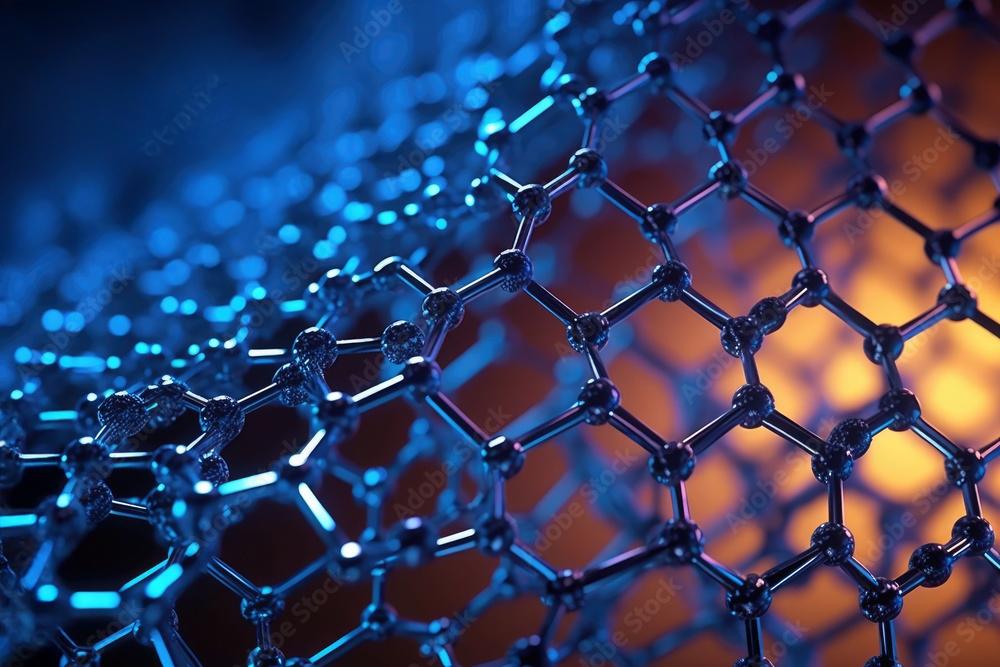
Graphene and Carbon Nanotubes
AI-driven optical material discovery
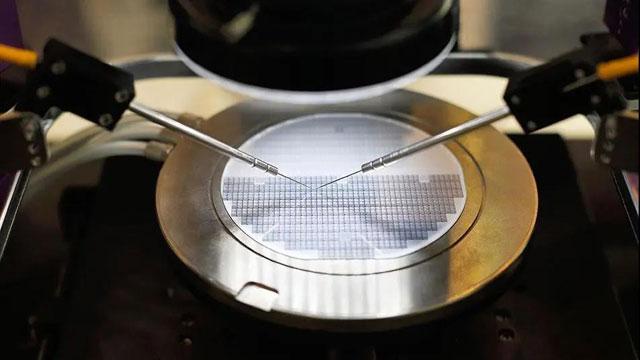
Chemical Vapor Deposition
Optoelectronics