Neuromorphic Computing and AI
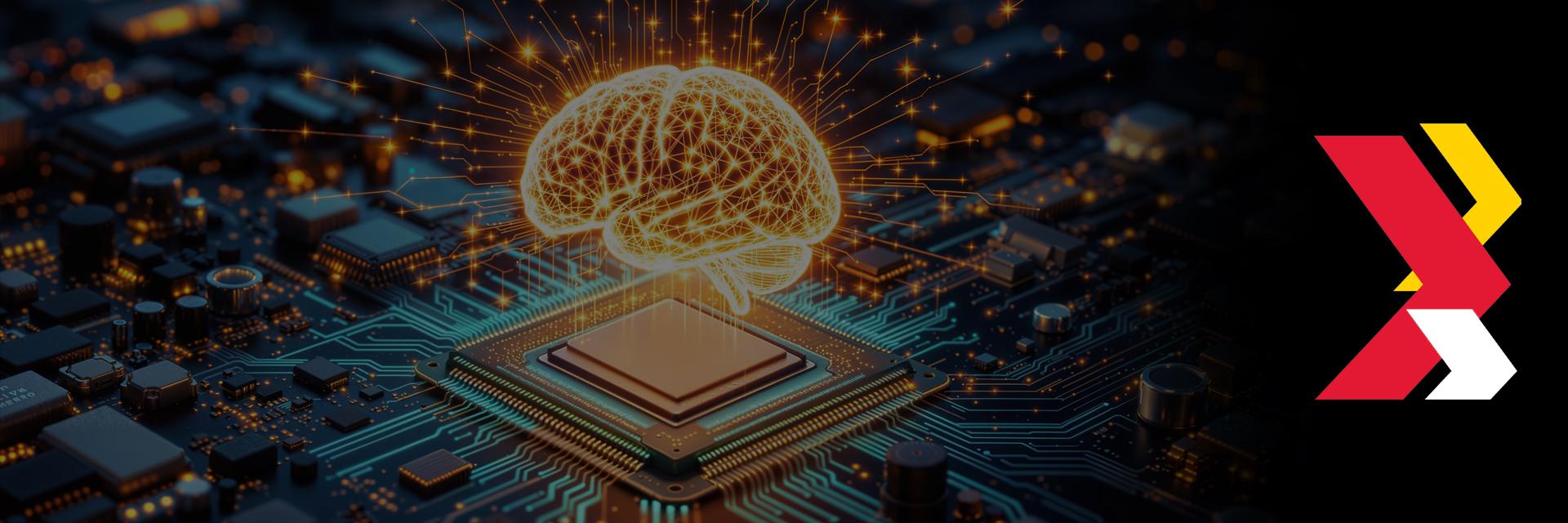
UMD has significant efforts in Neuromorphic Computing and AI. The wide array of capabilities span a diverse set of areas including materials and devices for CMOS+X processors, novel integration and packaging techniques such as 2.5D and 3D, new architectural regimes which combine conventional CMOS processing with CMOS+X devices for efficient memory and computational performance. New AI techniques, especially leading to the development of semiconductor digital twins are also being pursued.
Significant innovation in areas of new materials and device technologies which are especially applicable to beyond CMOS AI hardware are being pursued. New packing approaches for AI hardware and their implications on power, performance and reliability are being pursued as well.
In this research theme, UMD researchers are pursuing beyond CMOS AI architectures which develop more efficient SIMD architectures (such as GPU) but also develop new techniques for addressing the memory wall. We are also investing analog and mixed signal architectures inspired from brain and biology thereby helping innovate the new horizon in AI hardware.
The Clark School is home to Industrial AI center https://www.iaicenter.com/. The Industrial AI Center is dedicated to transforming the future industry through purpose-driven Industrial Artificial Intelligence. Our mission is to accelerate the development and deployment of AI-powered technologies, tools, and talents that deliver measurable operational, technological, and economic impact across sectors such as semiconductor, aerospace, energy, automotive, healthcare, and manufacturing, etc. The center is home to new and innovate techniques for creating sustainable digital twins in the semiconductor domain.
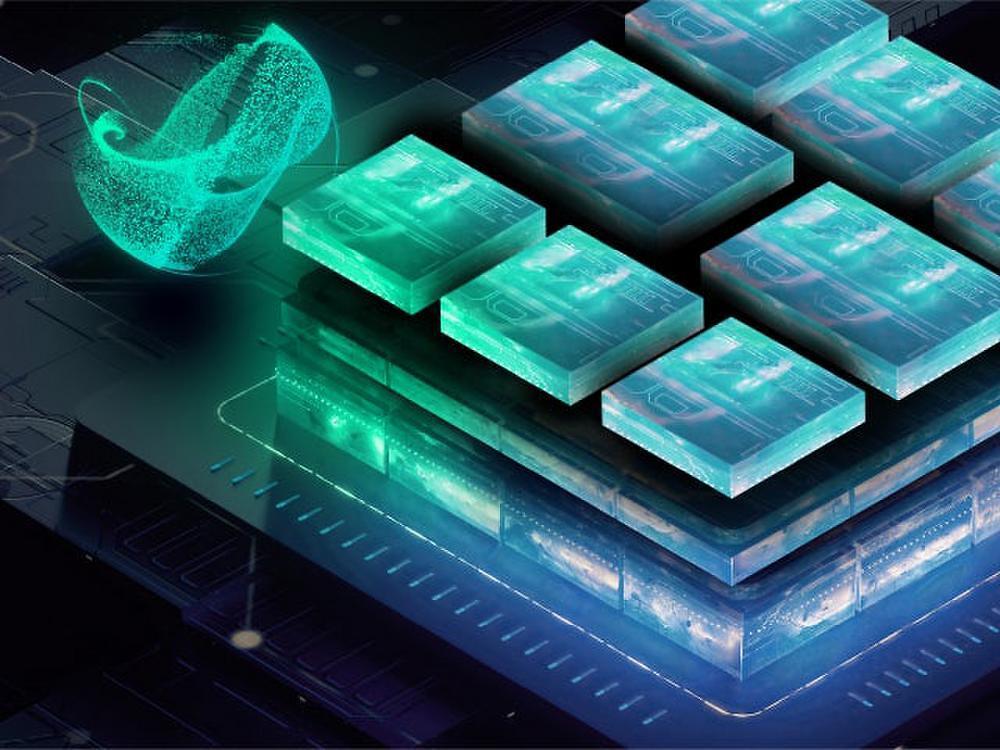
Monolithic 3D ICs and Heterogeneous Integration
Ferroelectrics
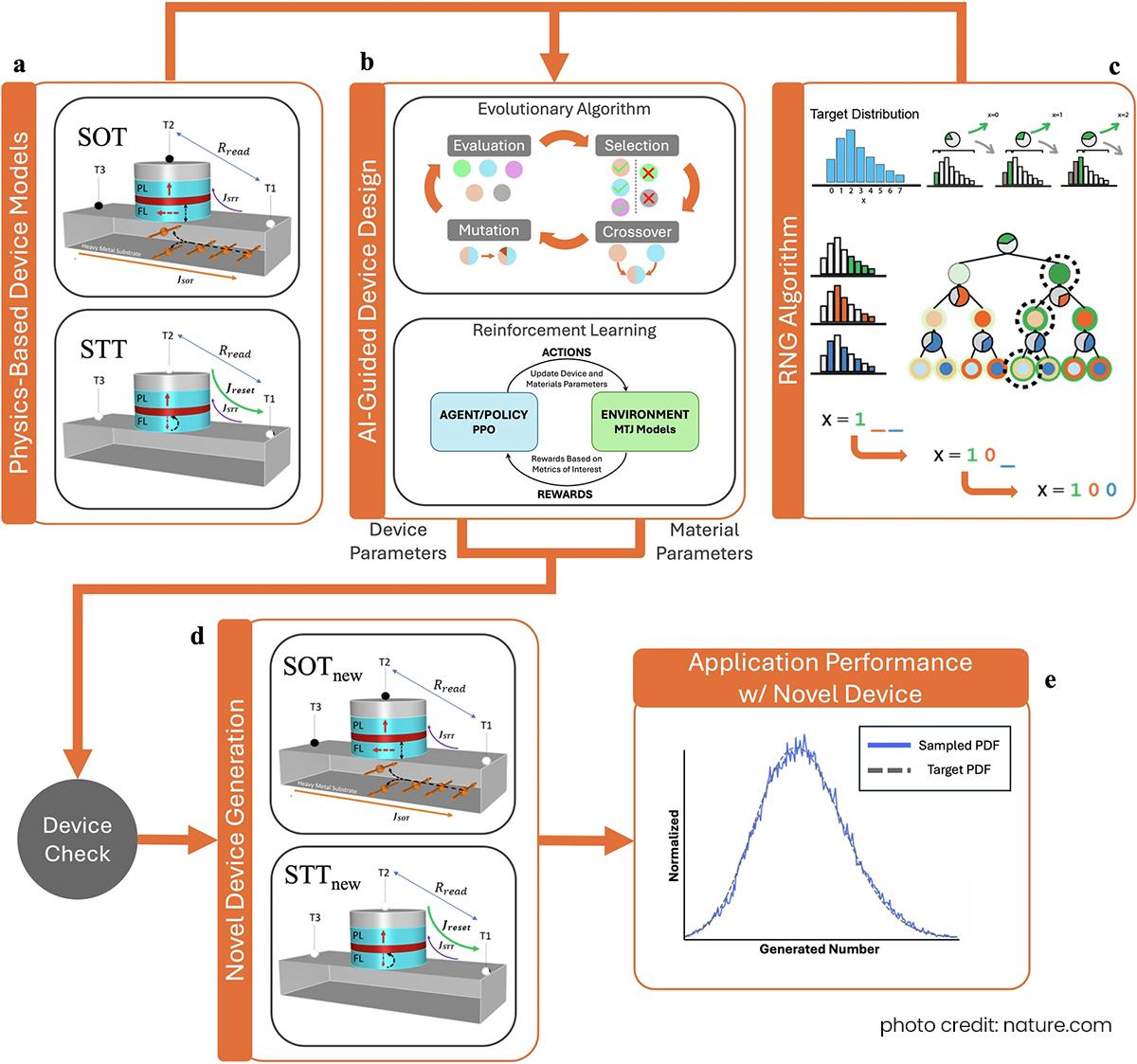
Magnetic Tunneling Devices
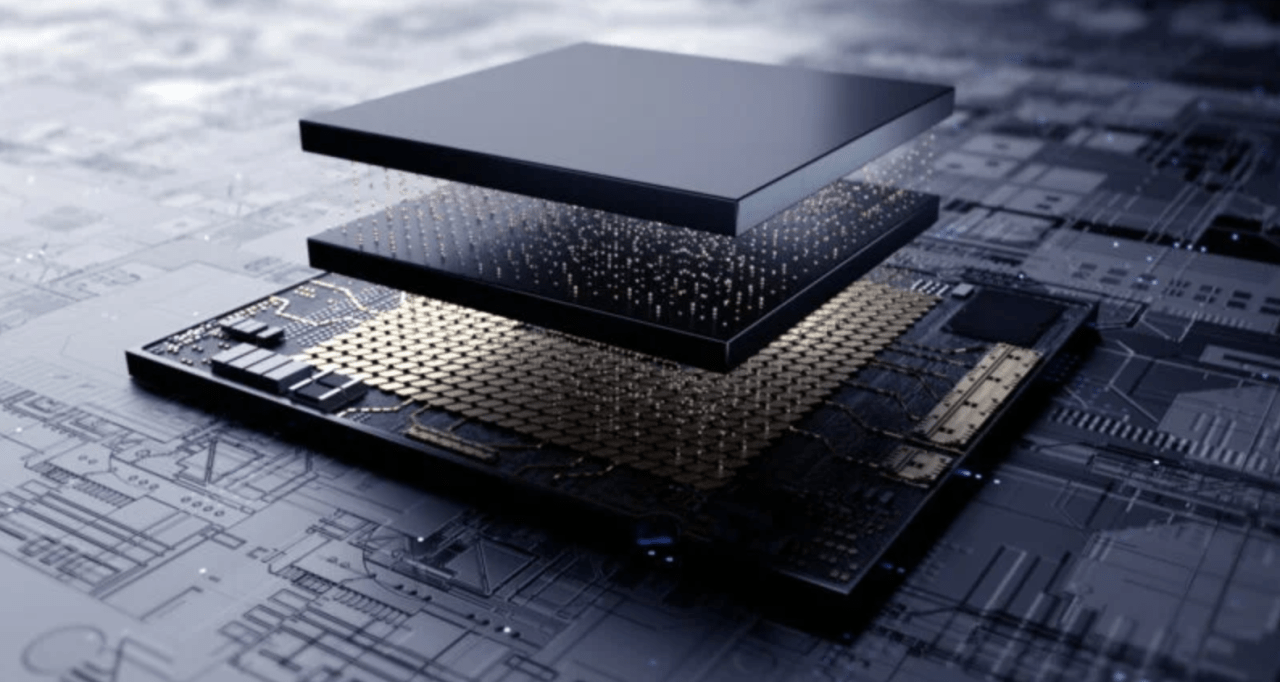
Memory Wall
Spiking Neural Networks
LLM for Design